
Not every money-making opportunity involves sitting in an office, working behind a computer, or wearing formal clothes. Some people make a living doing jobs that others consider dirty, unpleasant, physically demanding, or simply too messy to handle.
From cleaning trash bins and removing junk to washing dirty carpets, collecting scrap metal and cleaning pet waste, there are several unconventional ways to earn money. These activities may not sound attractive, but they solve everyday problems that homeowners, landlords, and businesses are willing to pay someone else to handle.
The interesting thing about these opportunities is that many do not require an expensive university degree. Some can be started with basic equipment, while others require training, protective clothing, licences or specialized tools.
If you are searching for dirty ways to make money in 2026, this guide explores 15 legitimate jobs and side hustles that can turn unpleasant tasks into income opportunities. It also explains how to get started, what equipment may be needed and how to find customers.
The word “dirty” in this article refers to messy, unpleasant or physically demanding work. It does not mean illegal activities, dishonest business practices or scams. Income is not guaranteed and depends on location, demand, pricing, expenses and experience.
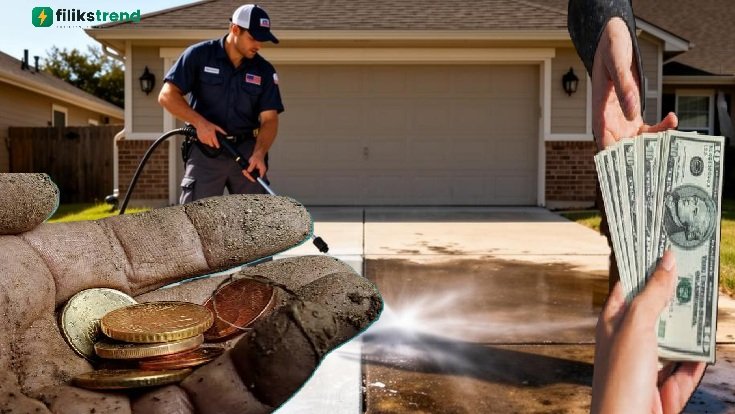
1. Garbage Bin Cleaning
Garbage bin cleaning is one of the most straightforward dirty side hustles to understand. Many homeowners and businesses use waste bins every day, but not everyone wants to deal with the unpleasant smell, bacteria, food residue and dirt that can build up inside them.
You can offer a service that cleans, disinfects, and deodorizes outdoor garbage bins.
A basic service may include:
- Removing loose waste and residue.
- Washing the inside and outside of the bin.
- Applying an appropriate cleaning solution.
- Rinsing and deodorizing the bin.
- Allowing it to dry before returning it.
You can approach homeowners, apartment managers, restaurants, offices and property management companies.
How to make money: Charge customers per bin, offer monthly cleaning packages or arrange recurring contracts with businesses and residential communities.
What you need: A suitable pressure washer, cleaning products, protective gloves, waterproof clothing and a way to collect and dispose of wastewater properly.
The biggest advantage is that customers may need the service repeatedly. Instead of depending entirely on one-time jobs, you can build a regular customer base.
2. Junk Removal and Waste Collection
Junk removal is another business that involves handling things many people do not want in their homes or workplaces.
People regularly need help getting rid of old furniture, broken appliances, damaged household items, construction debris and other unwanted materials.
You can provide a collection service and charge customers based on the quantity, type and difficulty of removing the waste.
Potential customers include:
- Homeowners clearing their houses.
- Landlords preparing rental properties.
- Estate managers.
- Construction companies.
- Small businesses relocating.
- People renovating their homes.
How to make money: Charge a collection fee, negotiate recurring arrangements with businesses or earn additional income by reselling usable items that customers no longer need.
What you need: A suitable vehicle, protective clothing, lifting equipment and access to an approved waste disposal or recycling facility.
Do not assume that every discarded item can be collected or transported without restrictions. Hazardous waste, chemicals, batteries, and certain electronic products may require specialised handling and disposal.
3. Cleaning Dirty Carpets and Upholstery
Carpets, sofas, mattresses, and office chairs collect dust, stains, food residue, and unpleasant smells over time.
Many people prefer hiring a professional cleaner rather than attempting to remove stubborn stains themselves.
This creates an opportunity to start a carpet and upholstery cleaning business.
You can offer services such as:
- Carpet washing.
- Sofa and chair cleaning.
- Mattress cleaning.
- Rug cleaning.
- Stain removal.
- Office furniture cleaning.
How to make money: Charge according to the size of the carpet, type of furniture, condition of the material and cleaning method required.
You can begin by offering services to households before approaching hotels, offices, landlords and property managers.
What you need: A suitable carpet extraction machine or cleaning equipment, vacuum cleaner, cleaning solutions and protective gear.
Before treating expensive fabrics, understand the material and appropriate cleaning method. Using the wrong chemical or excessive water can damage furniture and create additional problems.
4. Pet Waste Removal
Pet owners love their animals, but cleaning up dog waste from gardens and outdoor spaces is not everyone’s favourite activity.
A pet waste removal business involves visiting customers’ properties and collecting animal waste from lawns, gardens and designated areas.
It may sound unpleasant, but some busy pet owners are willing to pay for convenience.
Your customers could include:
- Dog owners.
- Apartment complexes.
- Pet boarding facilities.
- Dog daycare centres.
- Property management companies.
How to make money: Offer weekly or biweekly cleaning subscriptions, one-time garden cleanups or commercial waste removal contracts.
What you need: Waste collection tools, disposable bags, gloves, protective footwear and appropriate disposal arrangements.
This business can work well when customers live close to one another because you can schedule several appointments in the same neighbourhood.
5. Pressure Washing
Pressure washing involves using specialised equipment to remove dirt, mud, algae and other unwanted material from outdoor surfaces.
It can be used to clean:
- Driveways.
- Patios.
- Sidewalks.
- Outdoor walls.
- Fences.
- Parking areas.
- Building exteriors.
- Certain outdoor furniture.
Homeowners and businesses may hire pressure washing professionals when their outdoor spaces become dirty or difficult to maintain.
How to make money: Charge per job, by surface area or through maintenance agreements with property owners and commercial facilities.
What you need: A suitable pressure washer, hoses, surface-specific cleaning products, protective equipment and transportation.
This business requires proper training because high-pressure water can damage surfaces, break windows or cause injuries. You should also understand local wastewater disposal requirements before operating.
6. Cleaning Gutters
Gutters collect leaves, dirt, branches and other debris. When they become blocked, rainwater may overflow and cause problems around a building.
Some homeowners hire professionals to inspect and clean their gutters rather than climbing ladders and handling the dirty material themselves.
A gutter cleaning service can include:
- Removing leaves and debris.
- Checking for visible blockages.
- Clearing downspouts where appropriate.
- Inspecting accessible gutter sections.
- Reporting visible damage to the homeowner.
How to make money: Charge per property, depending on building height, gutter length, accessibility and the amount of debris.
What you need: Appropriate ladders or access equipment, gloves, cleaning tools, protective clothing and safety equipment.
Gutter cleaning can be dangerous, particularly on high buildings, steep roofs or unstable surfaces. Proper training, fall protection and insurance are important. Do not accept jobs that exceed your equipment or experience.
7. Scrap Metal Collection and Recycling
Scrap metal collection can turn unwanted metal items into a source of income.
People and businesses regularly dispose of damaged metal furniture, old pipes, appliances, aluminium materials, steel components and other recyclable items.
Instead of allowing these materials to go to waste, you can collect eligible scrap and sell it to authorised recycling facilities.
Common recyclable metals include:
- Aluminium.
- Copper.
- Steel.
- Brass.
- Iron.
- Certain metal components from appliances.
How to make money: Collect scrap legally, sort it by material and sell it to recycling businesses that purchase those materials.
The amount you receive depends on the type, quality and weight of the metal, as well as current local recycling prices.
What you need: Protective gloves, suitable footwear, basic sorting equipment and transportation.
Never collect metal from private property without permission. Avoid taking utility cables, railway materials, public infrastructure or items with unclear ownership. Some materials also require special handling.
8. Septic Tank Cleaning and Maintenance
Septic tank cleaning is one of the less glamorous services that can generate business because households and properties with septic systems need proper maintenance.
Septic tanks collect and treat wastewater from properties that are not connected to a central sewer system.
When these systems need professional servicing, property owners may hire qualified septic service companies.
Services can include:
- Septic tank inspection.
- Pumping and waste removal.
- System maintenance.
- Identifying potential problems.
- Arranging repairs where necessary.
How to make money: Work for an established septic service company or build a properly licensed and equipped service business.
What you need: Specialised pumping equipment, suitable vehicles, protective equipment, training and legally approved waste disposal arrangements.
This is not a suitable beginner job to attempt without professional training. Septic systems can contain toxic gases and biological hazards. Entering a septic tank can be fatal. Never enter one yourself; use trained professionals and proper safety procedures.
9. Cleaning Restaurant Grease Traps
Restaurants and commercial kitchens produce grease and food waste that can accumulate in plumbing systems.
Grease traps help prevent fats, oils and grease from entering drainage systems. However, they require regular inspection and cleaning.
Businesses may hire specialised contractors to remove accumulated grease and maintain the equipment.
Potential customers include:
- Restaurants.
- Hotels.
- Catering companies.
- Commercial kitchens.
- Food processing businesses.
How to make money: Offer scheduled cleaning contracts, maintenance visits and collection services through a properly equipped business.
What you need: Training, protective equipment, appropriate cleaning tools, waste containers and approved disposal arrangements.
Grease trap waste should not be poured into ordinary drains or discarded carelessly. Follow applicable environmental and local waste management regulations.
10. House Cleaning After Renovation
Construction and renovation projects often leave behind dust, paint residue, packaging, plaster and other debris.
After builders finish their work, homeowners and property managers may need a professional cleaner to prepare the property for occupation.
This is commonly called post-construction cleaning.
Services can include:
- Removing construction dust.
- Cleaning windows and frames.
- Washing floors.
- Removing suitable surface residue.
- Cleaning kitchen and bathroom surfaces.
- Removing packaging and approved construction waste.
How to make money: Charge per project based on the property’s size, condition and cleaning requirements.
You can find customers through builders, contractors, estate agents, landlords and renovation companies.
What you need: Industrial vacuum equipment, cleaning products, gloves, masks and other protective gear.
Some construction materials and chemical residues require specialised handling. Do not attempt to remove hazardous substances without the correct training.
11. Cleaning Portable Toilets
Portable toilets are used at construction sites, outdoor events, festivals and temporary work locations.
These facilities require regular servicing to remain usable and hygienic.
Portable toilet service businesses may provide:
- Waste tank servicing.
- Cleaning and disinfection.
- Restocking supplies.
- Transport and placement.
- Scheduled maintenance.
How to make money: Work with an established sanitation company or establish a properly equipped service that contracts with event organisers and construction businesses.
What you need: Specialised sanitation equipment, protective clothing, approved waste disposal arrangements and the required permits.
This business has ongoing service potential because event organisers and construction companies may need regular maintenance rather than a single visit.
12. Mobile Car Detailing
Cars collect mud, dust, food stains, pet hair and unpleasant smells. Some vehicle owners are willing to pay professionals to clean their cars thoroughly.
Mobile car detailing allows you to visit customers at their homes or workplaces instead of requiring them to drive to a cleaning centre.
Services can include:
- Interior vacuuming.
- Seat and carpet cleaning.
- Dashboard cleaning.
- Exterior washing.
- Wheel cleaning.
- Odour treatment.
- Appropriate upholstery care.
How to make money: Offer different service packages depending on vehicle size and cleaning requirements.
You can also approach taxi operators, car dealerships, vehicle rental companies and corporate fleets.
What you need: Cleaning equipment, vacuum cleaner, suitable chemicals, microfiber cloths and transportation.
Mobile detailing can be started on a relatively small scale, although equipment, water access and transport costs should be considered.
13. Cleaning Dirty Solar Panels
Solar panels are exposed to dust, pollen, bird droppings and other environmental materials.
Depending on local conditions, accumulated dirt can affect the performance of solar installations. Property owners may therefore need professional cleaning and maintenance services.
Potential customers include:
- Residential solar system owners.
- Commercial property managers.
- Solar installation companies.
- Businesses with rooftop solar systems.
How to make money: Offer scheduled cleaning services or work with solar installation and maintenance companies.
What you need: Appropriate cleaning equipment, suitable water treatment where necessary, protective gear and training.
Roof-mounted solar panels can create serious fall and electrical hazards. Do not climb onto roofs or handle electrical components without proper training and safety procedures. Follow the manufacturer’s cleaning instructions.
14. Flipping Used Furniture and Appliances
Not every dirty money-making opportunity requires cleaning waste or working with unpleasant materials.
Some people make money by purchasing unwanted furniture and appliances, cleaning or repairing them and selling them to new buyers.
For example, you may find a used table with scratches, a chair that needs new upholstery or a cupboard that requires cleaning and minor repairs.
After improving the item’s appearance and condition, you can advertise it for resale.
How to make money: Buy undervalued items, add value through cleaning or repair and resell them at a higher price.
You can source products from:
- Local second-hand markets.
- Estate sales.
- Garage sales.
- Online classified advertisements.
- Furniture clearance sales.
- Individuals who want to dispose of unwanted items.
What you need: Cleaning supplies, basic repair tools, transportation and a place to store items.
Be honest about an item’s condition, disclose defects and avoid purchasing stolen property.
15. Cleaning and Maintaining Commercial Buildings
Businesses need clean premises to serve customers and maintain a suitable working environment.
Commercial cleaning can involve unpleasant tasks such as washing toilets, cleaning floors, removing rubbish and sanitising frequently used surfaces.
Possible customers include:
- Offices.
- Schools.
- Hotels.
- Shopping centres.
- Restaurants.
- Warehouses.
- Apartment buildings.
How to make money: Offer one-time cleaning, daily maintenance, weekly contracts or specialised cleaning packages.
A commercial cleaning business can grow beyond a one-person operation by hiring trained workers and securing recurring contracts.
You will need appropriate cleaning equipment, reliable staff, insurance where required and a clear process for handling chemicals and waste safely.
Comparison of the 15 Dirty Ways to Make Money
The following table provides a quick overview of the opportunities discussed.
| Business or Side Hustle | Main Customers | Income Model |
|---|---|---|
| Garbage bin cleaning | Homeowners and businesses | Per bin or subscription |
| Junk removal | Households and landlords | Per collection |
| Carpet cleaning | Homes and offices | Per cleaning job |
| Pet waste removal | Pet owners and property managers | Recurring service |
| Pressure washing | Homeowners and businesses | Per project |
| Gutter cleaning | Property owners | Per property |
| Scrap metal collection | Households and businesses | Resale by weight |
| Septic tank servicing | Property owners | Service contracts |
| Grease trap cleaning | Restaurants and kitchens | Maintenance contracts |
| Post-construction cleaning | Builders and landlords | Per project |
| Portable toilet servicing | Event organisers and construction sites | Rental and servicing contracts |
| Mobile car detailing | Vehicle owners and fleets | Per vehicle |
| Solar panel cleaning | Solar system owners | Per cleaning visit |
| Furniture flipping | Second-hand buyers | Resale profit |
| Commercial cleaning | Offices and commercial properties | Recurring contracts |
Which Dirty Jobs Can You Start With Little Money?
Not every dirty business requires expensive machinery or a commercial vehicle.
If you have limited starting capital, consider beginning with services that require basic equipment and can be offered locally.
Some possible starting options include:
Pet waste removal: You can begin with basic protective equipment and collection tools, provided you follow proper hygiene and waste disposal practices.
Basic car cleaning: Start with suitable cleaning supplies and gradually invest in more advanced detailing equipment as your customer base grows.
Furniture flipping: Look for affordable second-hand furniture that needs cleaning or minor repairs before resale.
Small-area cleaning: Offer suitable cleaning services for homes, offices and shops using equipment you already own, where appropriate.
Scrap collection: Start by collecting permitted recyclable materials and selling them to authorised buyers. Do not handle hazardous materials or items with unclear ownership.
The best option is one that you can operate safely, legally and profitably with the resources available to you.
How to Start a Dirty Side Hustle and Find Customers
Finding customers is often more difficult than performing the actual service. Even a good cleaning or waste removal business needs a reliable way to attract people who are willing to pay.
Here are some practical steps.
1. Choose One Specific Service
Avoid starting with too many services at once.
Choose one activity based on local demand, your available equipment, your physical ability and the regulations that apply.
For example, you could start with carpet cleaning rather than immediately trying to operate a full commercial sanitation business.
2. Research Your Local Market
Find out whether people in your area already pay for the service.
Look at local businesses, online advertisements, community groups and property management companies.
Check what customers complain about, what existing providers offer and where there may be an unmet need.
3. Calculate Your Startup Costs
List the equipment, transport, supplies, insurance, licences and other expenses required to operate.
Do not spend money on expensive machinery before confirming that there is enough demand.
4. Set Clear Prices
Calculate the cost of labour, supplies, transport, waste disposal and equipment maintenance.
Then establish prices that allow you to cover your expenses and earn a reasonable profit.
Avoid setting prices so low that you lose money on every job.
5. Promote Your Service
You can attract customers through:
- Facebook community groups.
- WhatsApp Business.
- Local business directories.
- Google Business Profile, where eligible.
- Flyers and referrals.
- Partnerships with property managers.
- Relationships with contractors and businesses.
Use real photographs of completed work, with customers’ permission, to demonstrate the quality of your service.
6. Encourage Repeat Customers
Recurring customers can make a service business more predictable.
For example, you could offer regular garbage bin cleaning, scheduled office cleaning or weekly pet waste removal.
Make sure customers understand what is included in each package and how often the service will be provided.
Are Dirty Ways to Make Money Profitable?
They can be, but profitability depends on more than how unpleasant the work appears.
A business may have strong demand but still struggle if equipment is expensive, transport costs are high or customers are unwilling to pay enough.
Before starting, consider:
- How many potential customers are available?
- How often will they need the service?
- How much will equipment cost?
- Are permits or insurance required?
- How much will transport and supplies cost?
- How will waste be handled?
- How much can you charge per job?
- Can you obtain repeat business?
For example, a garbage bin cleaning service may generate recurring revenue if customers subscribe to regular visits. A junk removal business may earn more from larger collections but also face higher transport and disposal expenses.
The goal should be to build a service that produces a reasonable profit after all operating costs have been deducted.
Mistakes to Avoid When Starting a Dirty Money-Making Business
Some people focus only on the money they could earn and overlook the practical challenges involved.
Avoid these mistakes:
Buying expensive equipment too early: Test demand before making a major investment.
Ignoring safety: Messy jobs can involve chemicals, sharp objects, contaminated materials and physical hazards. Use appropriate protective equipment and training.
Operating without required permits: Waste collection, septic services, sanitation and other specialised activities may be regulated.
Underpricing your work: Include labour, transport, materials, disposal and equipment maintenance when calculating your prices.
Failing to market your services: Customers need to know what you offer and how to contact you.
Accepting dangerous jobs: Do not handle hazardous waste, enter confined spaces or work at unsafe heights without the required training and professional equipment.
Ignoring waste disposal rules: Dispose of collected materials through approved channels.
How to Avoid Fake Money-Making Opportunities
The phrase “dirty ways to make money” sometimes appears alongside online advertisements promising fast income with little effort.
Be careful when an opportunity requires you to pay an unexpected registration fee, deposit cryptocurrency to unlock earnings, transfer money through your personal bank account or provide sensitive information to an unknown recruiter.
The U.S. Federal Trade Commission warns that task scams often involve fake online jobs offering commissions for simple activities such as rating products or clicking buttons. Victims may later be told to deposit their own money to access supposed earnings.
Read the FTC’s guidance on task scams and job and money-making scams.
Remember these basic rules:
- Do not pay someone simply to receive a promised job.
- Do not deposit cryptocurrency to unlock supposed earnings.
- Do not allow strangers to use your bank account to move money.
- Research unfamiliar companies before accepting an offer.
- Be suspicious of guaranteed high earnings for almost no work.
A legitimate side hustle should have a clear service, identifiable customers and a reasonable way of earning revenue.
Frequently Asked Questions About Dirty Ways to Make Money
1. What are the best dirty ways to make money?
Some practical options include garbage bin cleaning, junk removal, carpet cleaning, pressure washing, gutter cleaning, pet waste removal, scrap metal collection and commercial cleaning. The best choice depends on local demand, startup costs and the skills required.
2. Can I make money doing jobs nobody wants to do?
Yes. Some unpleasant jobs provide valuable services that households and businesses need. Examples include cleaning waste bins, removing junk, maintaining septic systems and cleaning commercial kitchens. Customers may pay for convenience, reliability and professional service.
3. What dirty job can I start without much money?
Pet waste removal, basic cleaning, furniture flipping and some small-scale car cleaning services may be started with relatively basic equipment. However, you should still consider safety, transport and local business requirements.
4. Are dirty jobs profitable?
Some can be profitable when there is sufficient customer demand and the business is managed properly. Profit depends on pricing, labour, supplies, transportation, equipment costs and other expenses.
5. Can I make money collecting scrap metal?
Yes. Authorised recycling facilities may purchase certain types of scrap metal by weight and material. However, prices vary, and you must obtain materials legally and follow applicable collection and recycling rules.
6. Which dirty side hustles can provide recurring income?
Garbage bin cleaning, commercial cleaning, pet waste removal, grease trap maintenance and some property maintenance services can generate recurring revenue through scheduled visits or service contracts.
7. Do I need a business licence to start a cleaning service?
Requirements depend on your location and the type of service. Basic cleaning businesses may have different requirements from waste collection, septic tank servicing or specialised sanitation businesses. Check local registration, licensing, insurance and environmental rules.
8. Can I make money cleaning other people’s houses?
Yes. Residential cleaning is a common service business. You can offer general cleaning, deep cleaning, move-in cleaning and post-renovation cleaning, depending on your training and equipment.
9. What is the difference between a dirty job and an illegal way to make money?
A dirty job is an unpleasant but legitimate activity that provides a service or product in exchange for payment. An illegal money-making activity involves conduct prohibited by law, such as theft, fraud or handling stolen property. A legitimate business should operate honestly and follow applicable regulations.
Conclusion
Dirty ways to make money are not always glamorous, but some can provide genuine business opportunities for people willing to handle tasks that others prefer to avoid.
Garbage bin cleaning, junk removal, carpet cleaning, pressure washing, scrap metal collection and commercial cleaning are examples of services that solve everyday problems. With the right equipment, reasonable pricing and consistent customer service, some of these activities can grow from small side hustles into established businesses.
You do not need to start with an expensive operation. Choose one service, research your local market, understand the safety requirements and test demand before investing heavily.
The most important thing is to make money by providing a useful service, not by taking unnecessary risks or falling for unrealistic promises.
Related Reading on Filikstrend
Planning to invest in equipment or upgrade your home while managing your budget? Read our previous guide: How to Finance Heating and Air Conditioning in 2026.
You can also explore more guides in our Side Hustles and Personal Finance sections
1 thought on “Dirty Ways to Make Money in 2026: 15 Unusual Jobs That Pay”